Introduction
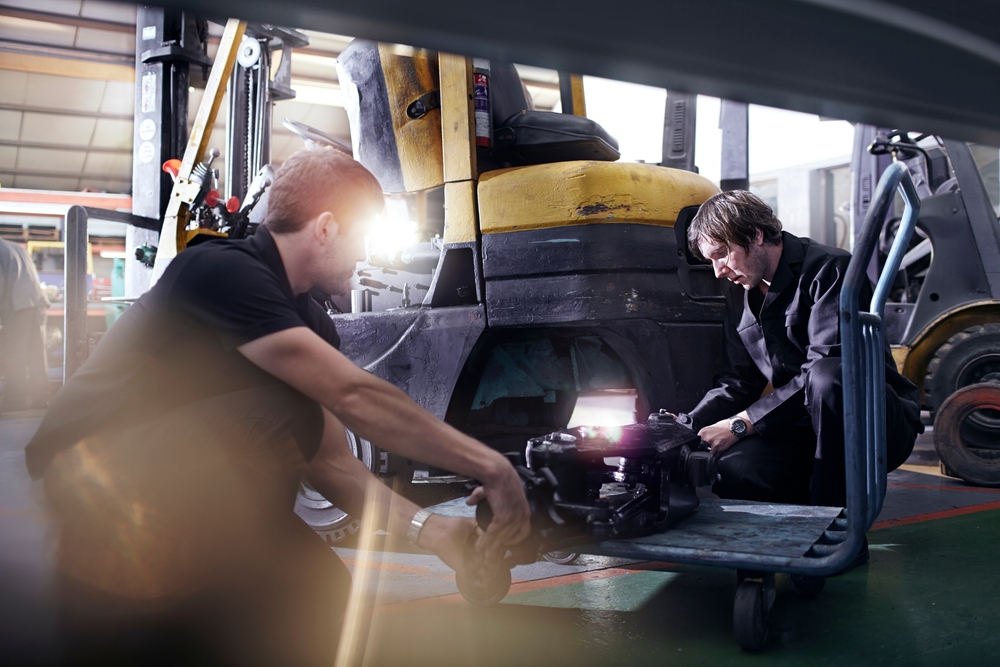
Forklifts are essential machinery in various industries, particularly in warehousing, construction, and logistics. These powerful vehicles facilitate the efficient movement of goods and materials, enabling businesses to operate smoothly. However, like all machines, forklifts are susceptible to wear and tear, leading to various repair issues that can disrupt operations. Understanding common forklift repair issues and how professionals address them is crucial for maintaining optimal performance and safety in the workplace.
Common Forklift Repair Issues
1. Battery Problems
One of the most frequent issues faced by electric forklifts is battery failure. Symptoms include reduced lifting capacity, slower operation, and the inability to hold a charge. Lead-acid batteries, commonly found in forklifts, can develop sulfation or internal short circuits, which impair their performance. Regular maintenance, such as checking electrolyte levels and cleaning terminals, is vital to prevent battery-related problems.
When battery issues arise, professionals often conduct thorough checks to determine the root cause. If the battery is beyond repair, replacement is necessary. Additionally, investing in a high-quality battery charger can significantly extend the lifespan of the battery, ensuring reliable operation.
2. Hydraulic System Failures
The hydraulic system is crucial for the lifting and lowering of loads. Common symptoms of hydraulic system failure include slow or uneven lifting and fluid leaks. Problems can stem from several sources, including damaged hoses, faulty pumps, or low fluid levels. Regular inspection and maintenance of hydraulic components are essential for preventing costly repairs.
In the event of a hydraulic failure, professionals will typically identify leaks and replace any damaged hoses or seals. They may also flush the hydraulic fluid and refill it to ensure optimal performance. In severe cases, complete hydraulic system replacements may be warranted.
3. Transmission Issues
Transmission problems can significantly affect a forklift’s functionality, leading to issues such as slipping gears, strange noises, or a complete failure to engage. These symptoms often represent a need for maintenance, as dirt or debris may infiltrate the transmission system, causing wear and tear on internal components.
To diagnose transmission issues, technicians will usually perform a fluid analysis and conduct tests on the transmission system. If repairs are needed, this may involve changing the transmission fluid, replacing filters, or addressing specific component failures to restore proper operation.
4. Tire Wear and Damage
Forklift tires are designed to handle heavy loads and rough surfaces, but they can suffer from excessive wear due to continuous use. Common issues include flat spots, cracks, and uneven wear, all of which can affect stability and maneuverability. Regular tire inspections help identify problems before they escalate.
When tire damage occurs, replacement is often necessary. Professionals will assess the extent of the damage and recommend appropriate tires based on the forklift’s application and the environment in which it operates. Regular rotation and proper inflation help extend tire life and enhance safety.
5. Electrical System Malfunctions
Electrical issues are among the more complex problems faced by forklift operators. Symptoms may include failure to start, flickering lights, or malfunctioning controls. Common culprits include blown fuses, corroded connectors, or faulty switches. Diagnosing these problems requires expertise and specialized equipment.
Technicians typically start by performing electrical diagnostics, including multimeter tests to check for short circuits and continuity issues. Depending on the diagnosis, repairs may involve replacing faulty components or rewiring sections of the electrical system to restore functionality.
6. Brake System Failures
Brake system failures can pose significant safety risks. Symptoms include a spongy brake pedal, unusual noises when braking, or a complete loss of braking power. These issues may arise from worn brake pads, damaged rotors, or hydraulic fluid leaks.
Professionals conduct a thorough inspection of the brake system, assessing all components for wear and damage. Repairs typically include replacing worn pads and rotors and ensuring that hydraulic fluid levels are adequate. Regular brake maintenance is crucial for safe forklift operation.
7. Steering System Problems
Steering system issues can lead to difficulties in maneuvering the forklift, affecting productivity and safety. Problems may manifest as excessive play in the steering wheel, unresponsiveness, or strange noises. These symptoms often indicate issues with the steering gear or hydraulic steering components.
Technicians will assess the steering system, checking for leaks, wear, and other issues. Repairs may involve tightening loose components, replacing worn parts, or adjusting the hydraulic system to restore proper steering functionality.
8. Engine Troubles
For internal combustion forklifts, engine problems are a common challenge. Symptoms may include rough idling, excessive smoke, or a lack of power. Causes can range from fuel contamination and air filter blockages to spark plug failures.
Engine diagnostics typically involve analyzing fuel and air systems, checking for obstruction, and inspecting ignition components. Repairs may include replacing filters, cleaning fuel lines, or conducting a complete tune-up to enhance engine performance.
9. Fork and Mast Damage
The forks and mast are vital components of any forklift, responsible for lifting and lowering loads. Damage can occur due to improper use, excessive weight, or collisions. Symptoms of damage may include bent forks or a mast that fails to lift properly.
Professional assessment is crucial for determining the extent of the damage. Fork replacements may be necessary, along with realignment of the mast. Regular inspections can help prevent serious damage and ensure longevity in these components.
How Professionals Diagnose Forklift Issues
1. Visual Inspections
One of the first steps in diagnosing forklift issues is performing a thorough visual inspection. Technicians examine all major components for signs of wear, damage, or leaks. This initial assessment helps identify obvious problems that may require immediate attention.
Visual inspections also include checking for safety equipment adherence, such as working lights and accessible emergency shut-off switches. Maintaining visual integrity is not just about diagnosing issues but also prioritizing safety in the workplace.
2. Diagnostic Tools
Advanced diagnostic tools play a significant role in modern forklift repair. Technicians utilize specialized equipment such as multimeters, pressure gauges, and thermal cameras to assess electrical and hydraulic systems comprehensively. These tools provide deeper insights into the forklift’s performance and can reveal underlying issues not visible through a standard inspection.
By employing diagnostic tools, professionals can efficiently pinpoint problems, reducing downtime and improving repair accuracy. This technology allows for quicker repairs and ensures that technicians address only the necessary issues, saving time and costs.
3. Performance Testing
Performance testing involves operating the forklift under controlled conditions to replicate and observe any issues firsthand. During these tests, technicians assess how the forklift performs under load and monitor critical functions such as lifting, lowering, and steering. This process helps confirm suspected problems and ensures that repairs address the root cause of the issue.
Performance testing is especially crucial after repairs have been completed to ensure that the forklift operates within manufacturer specifications. This step verifies that repairs are effective and that the forklift is safe for use in its operational environment.
4. Maintenance History Review
Reviewing a forklift’s maintenance history is an essential part of diagnosing ongoing issues. This review helps technicians understand past repairs and recurring problems, leading to more targeted diagnostic efforts. Maintenance records reveal patterns that might indicate a fundamental issue with specific components.
A comprehensive maintenance history not only aids in diagnosing current problems but also offers insights into predicting future issues. Understanding the lifespan of components based on their service history allows for more informed preventative maintenance strategies.
Repair Techniques for Common Forklift Issues
1. Battery Replacement and Maintenance
When battery issues are diagnosed, replacement may be necessary. Professionals typically follow a systematic approach-removing the old battery and installing a new, high-quality battery that meets the forklift’s specifications. Alongside battery replacement, maintenance practices are established to prevent future problems, including regular cleaning of terminals, checking electrolyte levels, and ensuring adequate charging practices.
Preventive maintenance also involves educating operators about proper battery care, emphasizing the importance of avoiding over-discharge and maintaining clean connections to enhance battery lifespan.
2. Hydraulic Fluid Replacement
Hydraulic system repairs often necessitate fluid replacement. Professionals drain the old fluid, which may contain contaminants, and replace it with fresh hydraulic fluid suitable for the specific forklift model. Additionally, any identified leaks in hoses or seals are addressed to enhance system efficiency and prevent future fluid loss.
Regular hydraulic fluid checks and changes form part of the preventive maintenance plan, reducing wear and extending the life of hydraulic components.
3. Transmission Overhaul
When transmission problems are identified, technicians may need to perform an overhaul. This process involves disassembling the transmission, inspecting all internal components for wear or damage, and replacing parts as necessary. Upon reassembly, technicians will test the system to ensure it functions smoothly and correctly.
To prevent future transmission failures, technicians may recommend a regular fluid change schedule and thorough inspections of the transmission system as part of routine maintenance.
4. Tire Replacement and Alignment
Once tire damage is assessed, replacement is straightforward. Professionals select the appropriate tires based on the forklift’s application and environmental conditions. Proper alignment is critical after tire replacement to ensure even wear and optimal performance, enhancing the forklift’s stability and maneuverability.
Regular tire maintenance, including pressure checks and rotations, can help maximize tire lifespan and ensure safe operation.
5. Electrical Component Repair
Repairs to the electrical system may involve replacing faulty wiring, connectors, or other components, depending on the diagnosed issue. Technicians meticulously follow wiring diagrams to ensure proper connections and functionality. Post-repair, thorough testing is conducted to confirm that all electrical systems operate correctly.
Maintaining a clean and dry electrical environment is vital, as moisture and contaminants can lead to recurrent electrical problems. Operators should be trained to recognize early signs of electrical failure.
6. Brake Pad and Rotor Replacement
When brake system issues arise, replacement of worn brake pads and possibly rotors is typically necessary. Technicians ensure that replacement parts conform to manufacturer specifications to ensure safety and performance. After replacing components, a brake fluid check is conducted to confirm optimal braking performance.
Brake system maintenance includes regular inspections and replacement schedules to ensure that the forklift’s braking system remains responsive and effective.
7. Steering Mechanism Adjustments
Adjustments to the steering mechanism often involve realigning components to eliminate excessive play or unresponsiveness. After adjustments are made, technicians conduct tests to ensure that steering is smooth and responsive. This process is crucial for maintaining control over the forklift and ensuring operator safety.
Regular inspections of the steering system can identify potential issues before they develop into significant problems, reinforcing safety and operational efficiency.
8. Engine Tune-Ups
Engine tune-ups typically include inspecting and replacing spark plugs, cleaning air filters, and checking fuel injectors to enhance performance. Technicians may also conduct compression tests to evaluate the engine’s overall health. These adjustments ensure that the engine runs efficiently and reliably under operational conditions.
Regular engine maintenance is essential for preventing significant failures and maintaining optimal fuel efficiency, contributing to lower operational costs in the long run.
9. Fork and Mast Repairs
Repairs for damaged forks and mast components generally involve assessing the extent of the damage. In some cases, forks can be straightened if bent, while in severe cases, replacement may be necessary. Proper alignment and testing of the mast after repairs are essential to ensure correct load handling and safety.
Regular inspections of forks and mast components are crucial in identifying damage early, preventing accidents, and ensuring the efficient operation of the forklift.
Preventive Maintenance Practices
1. Regular Inspections
Conducting regular inspections is paramount in maintaining forklift performance and safety. Inspections should cover all major systems, including the battery, hydraulic system, tires, and electrical components. Establishing a routine inspection schedule helps identify potential issues before they escalate into significant repairs.
Inspection checklists can be developed to guide operators and technicians through the process, ensuring that no critical components are overlooked during assessments.
2. Scheduled Maintenance
Scheduled maintenance is an effective strategy to prolong the life of a forklift and minimize unexpected repairs. This includes regular servicing at predetermined intervals, which can be customized based on usage patterns and manufacturer recommendations. Scheduled maintenance typically encompasses fluid changes, component inspections, and necessary repairs.
Implementing a maintenance calendar helps organizations keep track of service dates and ensure compliance with maintenance standards, ultimately enhancing safety and operational efficiency.
3. Operator Training
Training forklift operators is a vital component of preventive maintenance practices. Educating operators about proper use and care of the machinery significantly reduces wear and tear, enhancing safety and efficiency. Training should cover operational techniques, safety regulations, and basic troubleshooting for minor issues.
Regular refresher courses can also help operators stay informed about best practices and new technologies, ensuring they remain competent and aware of their responsibilities.
4. Proper Usage Guidelines
Establishing and enforcing proper usage guidelines is crucial for maintaining forklift integrity. This includes guidelines on load capacities, proper handling techniques, and safe operational practices. Adhering to manufacturer specifications is essential for preventing damage and ensuring safety.
Organizations should promote a culture of safety that encourages adherence to usage guidelines and provides accountability for maintaining equipment in good working order. This proactive approach can significantly reduce the incidence of repair issues.
Choosing the Right Forklift Repair Service
1. Certifications and Experience
When selecting a forklift repair service, it’s important to consider certifications and experience. Reputable repair services should have qualified technicians with industry certifications, ensuring they possess the required skills and knowledge to handle various repair issues. Experience in the field is also a significant factor-established companies are more likely to have encountered a wide range of forklift problems and have effective solutions.
Asking for credentials and verifying the service provider’s experience can assure clients of high-quality work. A technician with a solid understanding of different forklift models will typically deliver better, more reliable services.
2. Range of Services Offered
The range of services offered by a repair provider is another critical consideration. A comprehensive service should cover all aspects of forklift repair and maintenance, including electrical systems, hydraulics, and a variety of drivetrain components. A versatile repair service can address multiple issues within one provider, simplifying the maintenance process for the business.
Businesses should inquire about specialized services that may be beneficial, such as emergency repairs, on-site service, and scheduled maintenance plans tailored to their operational needs.
3. Response Time and Availability
In the fast-paced environment of material handling, downtime can be costly. Therefore, response time and availability of forklift repair services are essential factors to consider. A reliable repair service should offer prompt responses to service requests and be available for urgent repairs, minimizing the impact on operations.
Organizations should evaluate the service provider’s commitment to timely service and flexibility in scheduling repairs, ensuring that they can maintain operational continuity.
4. Customer Reviews and Testimonials
Customer reviews and testimonials are valuable resources when selecting a forklift repair service. These insights provide a glimpse into the experiences of other clients, highlighting the quality of work, reliability, and customer service provided by the repair company. Positive reviews often indicate a trustworthy provider that delivers consistent results.
Potential clients can also seek recommendations from industry peers to identify reputable repair services with a proven track record. Engaging with the local business community can yield reliable referrals that simplify the decision-making process.
Conclusion
Understanding the common forklift repair issues, diagnostic processes, and repair techniques is essential for maintaining the efficiency and safety of forklift operations. Regular inspections, scheduled maintenance, and operator training play crucial roles in preventing issues from arising in the first place. Moreover, selecting the right repair service like those at Superior Industrial Products ensures that problems are resolved quickly and effectively, minimizing downtime and operational disruption.
By prioritizing maintenance and repairs, businesses can enhance the longevity of their forklifts, improve safety standards, and ultimately achieve higher productivity levels. Investing in knowledge about forklift care and partnering with quality repair services will yield significant benefits for any organization utilizing these essential machines.
Share This!
Subscribe to Our Newsletter
"*" indicates required fields