Introduction
Forklifts are essential tools in various industries, facilitating the movement of materials in warehouses, construction sites, and manufacturing plants. However, like any machinery, they require regular maintenance to operate efficiently and safely. This article serves as a comprehensive guide to forklift maintenance, providing a detailed checklist to ensure that your fleet remains in optimal condition. By following these guidelines, you can enhance safety, extend the lifespan of your equipment, and reduce overall costs associated with repairs and replacements.
Importance of Forklift Maintenance
Maintaining forklifts is crucial not only for the longevity of the equipment but also for the safety of operators and other personnel. Regular maintenance helps in identifying potential issues before they escalate, reducing the risk of accidents caused by equipment failure. Furthermore, consistent upkeep ensures compliance with safety regulations, thus avoiding potential legal liabilities associated with workplace accidents.
Additionally, well-maintained forklifts tend to have better fuel efficiency and lower operating costs. Businesses can save significantly on repairs and downtime by implementing a proactive maintenance strategy. This not only improves the productivity of operations but also contributes to a healthier bottom line.
Understanding Your Forklift
Types of Forklifts and Their Uses
Forklifts come in various types, each suited for specific tasks. Common types include counterbalance forklifts, reach trucks, pallet jacks, and rough terrain forklifts. Counterbalance forklifts are the most versatile, suitable for lifting heavy loads in tight spaces. Reach trucks are designed for narrow aisles and are ideal for high racks. Pallet jacks are used for moving pallets short distances, while rough terrain forklifts are engineered for outdoor use on uneven surfaces.
Understanding the specific applications of each forklift type is essential for ensuring the right equipment is used for the job. This knowledge also aids in tailoring maintenance practices that consider the unique demands placed on different forklift models.
Common Forklift Components
A forklift consists of several critical components, including the mast, forks, tires, battery, and hydraulic systems. The mast is responsible for lifting and lowering loads, while the forks provide the means to lift and carry materials. Tires impact maneuverability and load stability, and batteries power electric forklifts, while hydraulic systems facilitate lifting operations. Familiarity with these components is essential for effective maintenance and troubleshooting.
Regular inspections of these parts can help in identifying wear and tear, ensuring that each component operates at its best. A proactive approach to understanding these components leads to better maintenance outcomes and improved operational efficiency.
Daily Forklift Maintenance Checklist
Visual Inspection
Each day before operating a forklift, a visual inspection should be performed. This involves checking for any visible damage, leaks, or abnormalities. Inspect the forks for cracks, check the mast for any signs of wear, and examine the tires for proper inflation and tread wear. Ensuring that safety decals and labels are visible and intact is also critical.
By conducting these visual checks, operators can catch minor issues before they develop into major problems that could lead to costly repairs or accidents. A simple visual inspection can significantly enhance workplace safety.
Fluid Levels Check
Checking the fluid levels of a forklift is essential for its proper operation. This includes hydraulic fluid, engine oil, coolant, and battery fluid. Low fluid levels can lead to overheating and equipment failure. Operators should ensure that all fluid levels are within the manufacturer’s recommended guidelines before starting the forklift.
Regular checks and top-offs of fluids can prevent breakdowns and extend the overall lifecycle of the forklift. Operators are encouraged to familiarize themselves with the location and type of fluids specific to their equipment.
Battery Maintenance
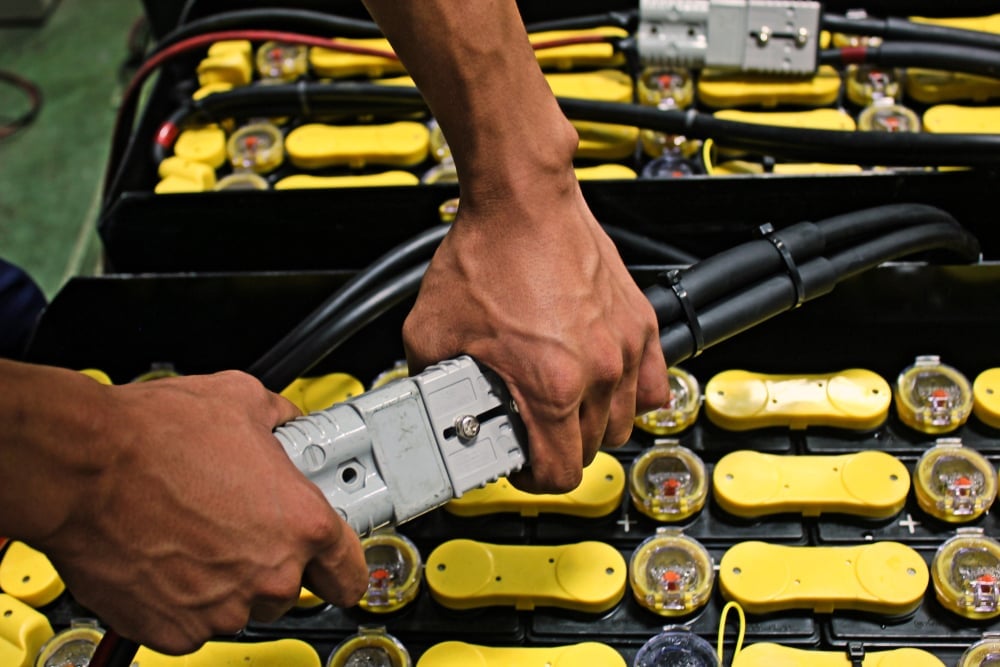
For electric forklifts, battery maintenance is critical. Operators should check the battery connections for corrosion and ensure that the terminals are clean. Additionally, topping off the battery water levels is necessary to prevent damage to the cells. A fully charged battery will improve efficiency and prolong the battery’s life.
Furthermore, ensuring that the battery is charged at appropriate intervals will minimize downtime and enhance the performance of electric forklifts. Operators should create a routine for battery maintenance that incorporates these checks into their daily operations.
Tire Condition Assessment
The condition of forklift tires directly affects stability and safety. Operators should examine the tires for punctures, cuts, or severe wear. Inspecting tire pressure is also vital, as improperly inflated tires can lead to decreased efficiency and increased risk of accidents.
A regular assessment of tire conditions can prevent unexpected failures and extend tire life. Scheduling tire rotations and replacements based on wear patterns can also enhance performance and safety.
Weekly Forklift Maintenance Checklist
Cleaning the Forklift
Weekly cleaning is essential for maintaining a forklift’s operational efficiency and appearance. Dirt and debris can accumulate on forks and other components, potentially leading to mechanical issues. Thoroughly cleaning the forklift, including the chassis, fork tips, and engine compartment, helps prevent rusting and other damage.
Employing appropriate cleaning agents and ensuring that the forklift is dry before storage can enhance its lifespan. Regular cleaning also contributes to a safer work environment by reducing slip hazards associated with grease and dirt buildup.
Safety Features Check
Safety features on forklifts, such as backup alarms, lights, and seatbelts, should be checked weekly. Ensuring these features are in proper working order is crucial for operator safety and compliance with workplace regulations. Any malfunction should be addressed immediately to prevent accidents.
A comprehensive safety features check can include testing the horn, ensuring all lights function correctly, and verifying that seatbelts are operational. Maintaining these features not only protects operators but fosters a culture of safety within the workplace.
Operational Controls Inspection
Weekly inspections of operational controls, including steering, brakes, and lift controls, are imperative. These checks help ensure that all controls are responsive and functioning as intended. Operators should test these controls in a safe environment before commencing regular operations.
Regular testing and inspection of controls can prevent operational failures that may result in accidents. Any issues detected should be reported and resolved before the forklift is allowed back into service.
Monthly Forklift Maintenance Checklist
Fork and Mast Inspection
A thorough inspection of the forks and mast is essential on a monthly basis. This includes checking for wear or damage to the forks and ensuring that the mast operates smoothly. Forks should be inspected to ensure they are not bent or cracked and that the welds are intact.
Additionally, lubrication of the mast’s moving parts can enhance functionality and extend its life. Regular inspections serve to identify potential issues early, allowing for timely repairs and avoiding costly downtime.
Hydraulic System Review
The hydraulic system is responsible for lifting and lowering loads, making it a critical component of forklift operation. Monthly reviews should include checking hydraulic fluid levels and inspecting hoses for leaks or damage. Operators should also test the system for proper operation under load.
Maintaining the hydraulic system can prevent power loss and ensure that lifting operations are conducted safely and efficiently. Identifying leaks or other issues promptly can save time and resources in the long run.
Electrical System Check
For electric forklifts, reviewing the electrical system is vital. This includes checking the wiring for frays or damage and testing all electrical components to ensure they function correctly. Battery connections should also be inspected for corrosion, which could affect performance.
Regular electrical system checks can prevent unexpected failures and extend the longevity of electric forklifts. Understanding the electrical components and their functions allows operators to identify and resolve issues before they escalate.
Quarterly Forklift Maintenance Checklist
Comprehensive Safety Audit
Quarterly safety audits are essential to ensure compliance with safety standards and regulations. This involves a complete review of safety protocols, operator practices, and equipment performance. Conducting safety audits can highlight areas for improvement and reinforce a culture of safety in the workplace.
Involving all team members in the safety audit process encourages awareness and commitment to safety protocols. Regular audits can lead to a reduction in accidents and an overall improvement in operational efficiency.
Wear and Tear Assessment
Assessing wear and tear on all forklift components is crucial every quarter. This includes evaluating the condition of tires, forks, and hydraulic systems to determine if any parts require replacement. Operators should document their findings and schedule repairs or replacements as necessary.
Maintaining a record of wear and tear assessments can help managers better plan budgets and reduce unexpected expenses related to repairs. This proactive approach can also improve overall safety and efficiency in operations.
Calibration of Controls and Sensors
Calibrating controls and sensors on a quarterly basis ensures that the forklift operates within manufacturer specifications. This includes testing the accuracy of load sensors and ensuring the lifting mechanisms respond correctly. Any discrepancies should be addressed immediately to maintain operational integrity.
Regular calibration not only enhances performance but also extends the lifespan of the forklift. A well-calibrated machine operates more efficiently, reducing energy consumption and enhancing productivity.
Annual Forklift Maintenance Checklist
Full Fleet Inspection
Conducting a full fleet inspection annually is a critical step in maintaining operational integrity. This comprehensive review includes evaluating all forklifts in the fleet for performance, safety, and compliance with regulations. A thorough assessment should encompass all aspects of maintenance checks performed throughout the year and highlight any areas needing attention.
Utilizing a standardized inspection form can streamline this process, ensuring no areas are overlooked. This proactive approach will lead to a more efficient fleet and fewer operational disruptions.
Regulatory Compliance Review
Each year, businesses must ensure their forklifts comply with local and federal regulations. This review should include verifying that all safety features meet current standards, that operators have received appropriate training, and that all maintenance records are up-to-date. Compliance not only ensures safety but also protects businesses from legal repercussions.
Staying current with regulations can involve attending industry training sessions and reviewing guidelines from relevant safety organizations. This investment in knowledge pays dividends in avoiding potential fines and enhancing workplace safety.
Training and Certification for Operators
Annual training and certification for forklift operators are vital for maintaining safety standards. Regular training ensures that operators are aware of the latest safety practices and operational techniques. Investing in employee training reduces the likelihood of accidents and enhances overall productivity.
Companies should create a structured training program that includes both theoretical and practical components, ensuring operators are well-prepared to handle the equipment safely. Additionally, keeping training records helps demonstrate compliance with regulations and reinforces a culture of safety.
Tips for Effective Forklift Maintenance
Creating a Maintenance Schedule
Establishing a maintenance schedule is crucial for effective forklift management. Creating a calendar that outlines daily, weekly, monthly, quarterly, and annual maintenance tasks helps ensure that every aspect of maintenance is covered consistently. This schedule should be easily accessible to all operators and maintenance personnel.
Incorporating reminders for inspections and servicing helps prevent neglecting important maintenance tasks. A well-structured maintenance schedule not only improves efficiency but also fosters a safety-first culture in the workplace.
Utilizing Technology for Maintenance Tracking
Leveraging technology can significantly enhance maintenance tracking and management. Utilizing software solutions designed for fleet management allows businesses to track maintenance schedules, monitor performance, and document inspections efficiently. These systems can provide alerts for upcoming maintenance tasks, ensuring that nothing falls through the cracks.
Furthermore, technology can streamline the reporting process, enabling operators to log issues and track repairs seamlessly. By adopting digital solutions, businesses can promote accountability and maintain a high standard of safety and efficiency across their forklift operations.
Importance of Professional Maintenance Services
While regular inspections and maintenance can be conducted in-house, engaging professional maintenance services adds an additional layer of expertise. Professional technicians possess the knowledge and experience to identify issues that may be missed by non-experts. They also have access to specialized tools and resources, ensuring that maintenance tasks are conducted efficiently and accurately.
Investing in professional maintenance services can lead to longer equipment lifespans, reduced downtime, and enhanced safety. Establishing a relationship with a reputable maintenance provider ensures that your fleet remains in peak condition and compliant with all regulations.
Conclusion
Recap of Forklift Maintenance Importance
In conclusion, regular forklift maintenance is essential for ensuring safety, compliance, and efficiency in material handling operations. Implementing a comprehensive maintenance checklist that includes daily, weekly, monthly, quarterly, and annual tasks can significantly reduce the risk of accidents and equipment failures. Understanding the importance of each checklist item leads to a proactive approach that enhances productivity and extends the life of your fleet.
By establishing a structured maintenance routine and investing in training and professional services, companies can foster a culture of safety and operational excellence. The benefits of effective maintenance practices are far-reaching, positively impacting both the workforce and the bottom line. When you are ready to talk to a certified and trustworthy forklift maintenance professional talk to us at Superior Industrial Products for more information.
Share This!
Subscribe to Our Newsletter
"*" indicates required fields