Introduction
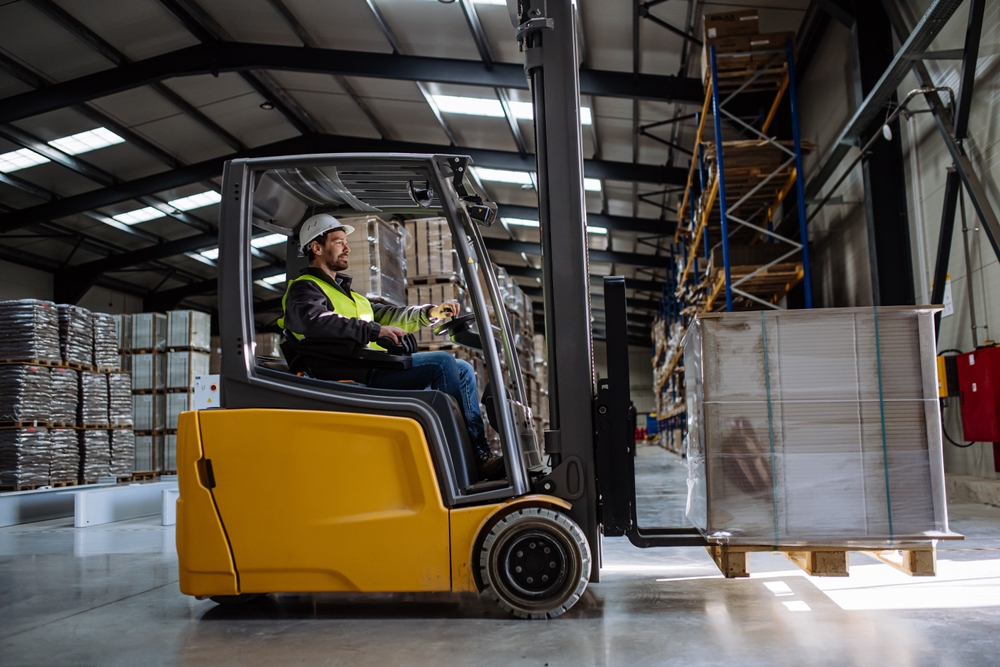
In the world of material handling and logistics, the choice between new and used forklifts is a pivotal decision for businesses. Forklifts, essential for transporting goods and materials in warehouses and construction sites, come in various types, sizes, and price ranges. This article aims to provide an in-depth comparison of new and used forklift sales, helping you determine which option aligns best with your operational needs and budget.
Choosing the right forklift goes beyond the initial purchase price; it impacts productivity, safety, and long-term financial health. Understanding the advantages and disadvantages of each option will empower you to make an informed decision that supports your business objectives.
Understanding Forklift Types
New Forklifts
New forklifts are vehicles that have never been owned or operated, equipped with the latest technology and features. These machines come with full warranties and the assurance of optimal performance, safety, and compliance with the latest regulations. Investing in a new forklift can provide peace of mind, knowing that the equipment is brand new and fitted with the latest advancements in material handling technology.
Furthermore, new forklifts offer customization options tailored to specific operational needs, accommodating unique load capacities and handling requirements. This flexibility can enhance productivity and efficiency in your operations, as you can select features that directly correlate with your business objectives.
Used Forklifts
On the other hand, used forklifts are pre-owned machines that may have undergone extensive repairs or refurbishments. They are often sold at a significantly reduced price compared to new models, making them an attractive option for budget-conscious businesses. While used forklifts may lack some of the latest features, they can still be reliable and effective for many operational contexts.
When purchasing a used forklift, it is crucial to assess its condition, maintenance history, and any remaining warranty. Many suppliers offer certified used forklifts that come with assurances about their quality, ensuring that buyers receive a dependable piece of equipment without breaking the bank.
Advantages of New Forklift Sales
Latest Technology and Features
One of the most significant advantages of buying a new forklift is access to cutting-edge technology. New models often come equipped with advanced features such as enhanced visibility, improved ergonomic designs, and sophisticated safety systems. These technologies can help operators work more efficiently and with greater safety, reducing the likelihood of accidents and injuries in the workplace.
Additionally, new forklifts typically meet the latest industry standards and regulations, ensuring compliance and reducing the risk of fines or legal issues. For businesses looking to maintain a modern fleet, investing in new equipment can be a strategic move that enhances their overall operational capabilities.
Warranty and Support
Purchasing a new forklift often means receiving a comprehensive warranty that covers parts and labor for a specified period. This warranty provides a safety net against unexpected repairs and maintenance costs, making budgeting easier for businesses. Many manufacturers also offer customer support and training for operators, ensuring that your team is well-prepared to use the equipment effectively.
This added layer of support can be invaluable, particularly for companies that are new to forklifts or are expanding their operations. The assurance of expert assistance can enhance overall productivity and reduce downtime caused by equipment failure.
Enhanced Safety Standards
New forklifts are designed with the latest safety innovations, including advanced stability systems and integrated alarms to alert operators of potential hazards. These features not only protect the operator but also safeguard other employees in the vicinity. Investing in a new forklift can help cultivate a culture of safety within your organization, potentially lowering insurance premiums and increasing employee morale.
Moreover, newer models are often easier to operate, reducing the learning curve for new employees and enhancing overall workplace safety. When safety is prioritized, companies can reduce accidents and injuries, translating to lower operational costs and improved employee retention.
Advantages of Used Forklift Sales
Cost-Effectiveness
One of the most compelling reasons to consider purchasing a used forklift is the significant cost savings. Used forklifts can be found at discounts ranging from 20% to 50% or more, depending on the machine’s age, condition, and brand. This cost advantage allows businesses to allocate funds towards other critical areas, such as hiring staff, expanding inventory, or investing in marketing initiatives.
Additionally, the lower initial investment of a used forklift can be advantageous for startups or small businesses that are cash-strapped but require material handling equipment to grow their operations. This accessibility can level the playing field, allowing smaller enterprises to compete more effectively with larger corporations.
Immediate Availability
Used forklifts are often readily available for immediate purchase, unlike new models, which may require a wait time for delivery or customization. For businesses facing urgent operational needs-such as seasonal peaks or unexpected equipment failures-this immediacy can prove crucial.
Having access to a used forklift right away can help mitigate potential disruptions in workflow, ensuring that operations continue smoothly without delays in productivity. This quick turnaround can be especially valuable in industries where time is of the essence, such as logistics and construction.
Depreciation Considerations
Another key factor to consider is the depreciation associated with new forklifts. New equipment typically loses value quickly in the first few years, making it a less favorable investment for businesses that may not need a long-term commitment. Used forklifts, in contrast, have already undergone the steepest part of their depreciation curve, offering a more stable value proposition.
This aspect makes used forklifts an appealing choice for businesses looking to minimize financial risk. Additionally, the lower depreciation rate means that the investment in a used forklift can be recovered more easily if the equipment is no longer needed or is resold in the future.
Factors to Consider When Choosing Between New and Used Forklifts
Budget Constraints
Your budget is arguably the most critical factor influencing the decision to buy new or used forklifts. New forklifts come with a higher price tag, which may not be feasible for every business. Conversely, used forklifts provide a more affordable option but may require careful evaluation to ensure quality and reliability. When making your decision, consider not just the purchase price, but also the total cost of ownership, which includes maintenance, repair, insurance, and potential financing costs.
Understanding the total cost will provide a clearer picture of which option aligns with your financial situation. Budget constraints should also encompass future growth projections; if you expect rapid expansion, it may be wise to consider the long-term implications of your purchase decision.
Operational Needs
Assessing your operational needs is essential in the decision-making process. Consider the type of tasks the forklift will perform, including load capacities, lift heights, and frequency of use. New forklifts can be customized to meet specific operational requirements, whereas used forklifts may have limitations based on their prior usage. If your operations require specialized features, investing in a new forklift may be necessary.
Conversely, if your needs are more standard and can be met with readily available used models, then purchasing used equipment might be the more cost-effective approach. A thorough evaluation of your operational needs will help you determine the best choice for your business.
Duration of Use
Consider how long you expect to use the forklift. If it’s for a short-term project, a used forklift may be a more sensible option, as the lower initial investment can be justified by the likely short lifespan of the equipment in your operations. However, if you require equipment for the long haul or anticipate growth, investing in a new forklift could provide better value over time. The long-term reliability of a new machine may outweigh the short-term savings associated with a used model.
Additionally, consider the resale value of each option. New forklifts may have better resale value down the line, but if you purchase a used forklift in good condition, you can still recoup a significant portion of your investment when you decide to sell.
Maintenance and Repair Costs
Maintenance and repair costs should factor heavily into your decision. New forklifts generally require less maintenance, at least in the early years, due to their modern technology and warranties. This can lead to fewer unexpected expenses and lower downtime, which is critical for maintaining productivity. On the other hand, used forklifts may require more frequent repairs, especially if they have a history of extensive usage or inadequate maintenance.
Evaluating Your Business’s Needs
Types of Operations
The specific nature of your operations plays a crucial role in determining the right forklift for your business. Different industries have varying demands. For instance, warehouses may prioritize electric forklifts for indoor use due to their lower emissions and noise levels, while construction sites might require more robust models capable of handling rough terrains. Understanding your operational context will guide you in selecting the right forklift type, whether new or used.
It is also essential to evaluate the types of loads you will be handling. Forklifts come in various configurations and specifications, each suited for specific applications. If your operations involve heavy lifting or specialized materials, you may need to opt for a new forklift that meets those specific requirements.
Frequency of Use
The frequency with which the forklift will be in operation also influences your decision. For businesses that operate forklifts daily and rely heavily on them for productivity, investing in a new forklift is often the best choice. The reliability and advanced features of new equipment can significantly enhance efficiency and minimize downtime.
For operations where forklifts are used sporadically, a well-maintained used forklift may suffice. Analyzing your operational schedule will help determine how critical the forklift is to your daily functions and whether the investment in a new machine is justified.
Load Requirements
It is vital to assess the load capacities you will be handling. New forklifts can be tailored to specific load requirements, allowing for increased safety and efficiency. In contrast, used forklifts may not meet your changing demands, especially if your business expands or diversifies its operations. If you anticipate needing higher load capacities in the future, a new forklift may be the better investment.
Moreover, understanding the type of loads-whether they are heavy, light, or require special handling-will impact your decision. Ensure the forklift you choose can handle the specific weights and dimensions needed for your operation, as choosing the wrong equipment can lead to inefficiencies and safety hazards.
Financing Options for Forklift Sales
Buying New Forklifts
When it comes to financing new forklifts, businesses have several options, including traditional loans, manufacturer financing, and leasing arrangements. Traditional loans often offer competitive interest rates, while manufacturer financing may provide promotional terms, such as deferred payments or lower upfront costs to facilitate acquisition.
Leasing can also be an attractive option for new forklifts, allowing businesses to access the latest models without the full upfront cost. Leasing arrangements typically come with maintenance agreements, further reducing the burden of ownership and ensuring that your equipment remains in good working condition.
Financing for Used Forklifts
Financing for used forklifts can be slightly different, as lenders may be more cautious due to potential concerns about the condition and reliability of pre-owned equipment. Businesses may need to seek specialized financing options or work with lenders that focus specifically on used equipment. While down payments may be higher, the overall cost of financing remains lower compared to new models.
Understanding your financing options will be crucial in determining the feasibility of your purchase, as well as how much you can allocate towards maintenance and operational costs over the life of the forklift.
Leasing Options
Leasing is an increasingly popular option for businesses considering both new and used forklifts. It can provide flexibility and reduce the financial burden of ownership. When leasing, businesses can benefit from lower monthly payments compared to traditional financing, which can free up cash flow for other operational expenses.
Leasing options often include maintenance packages, ensuring the forklift remains in top condition throughout the lease period. Moreover, at the end of the lease, businesses have the option to purchase the equipment at a predetermined price, allowing for a smooth transition if they decide to retain the forklift.
Expert Recommendations from Superior Industrial Products
When to Opt for New Forklifts
Experts recommend opting for new forklifts when your business has a stable, long-term operational need for material handling equipment. If you require specialized features or anticipate rapid growth, investing in new equipment can provide significant benefits in terms of reliability and operational efficiency. Additionally, if safety is a top priority, the latest advancements in technology and safety features available in new models should not be overlooked.
Furthermore, businesses that frequently encounter compliance issues with older models, or those that wish to maintain a modern image, can greatly benefit from the investment in new forklifts. The warranty and support provided with new purchases can also mitigate potential risks associated with ownership.
When to Choose Used Forklifts
Conversely, choosing used forklifts may be advisable for businesses that operate on a tight budget or have fluctuating material handling needs. If your operations are not heavily dependent on high-tech features, or if your usage is less frequent, a used forklift may provide the best balance of cost and functionality.
Additionally, if immediate availability is critical, purchasing a used forklift can be a quick solution to operational needs. For companies looking to optimize their cash flow and reduce capital expenditure while still maintaining productivity, used forklifts can be an excellent choice.
Conclusion
In summary, the decision between new and used forklifts hinges on various factors, including budget constraints, operational needs, and long-term goals. New forklifts offer the latest technology, full warranties, and compliance with safety standards, making them ideal for businesses with stable, extensive material handling requirements. In contrast, used forklifts provide significant cost savings and immediate availability, making them suitable for companies with flexible needs or limited budgets.
Ultimately, understanding your business’s unique requirements and evaluating financing options will guide you in making the best choice. As you navigate this decision, consider consulting with industry experts like Superior Industrial Products to ensure that you select the equipment that aligns best with your operational objectives.
Share This!
Subscribe to Our Newsletter
"*" indicates required fields