Introduction
Forklifts are integral to various industries, facilitating the efficient movement of goods and materials. Whether you are in warehousing, construction, or manufacturing, the need for a reliable forklift can arise unexpectedly. Renting a forklift provides flexibility and cost-effectiveness, but there are numerous considerations to account for before making a decision. This guide will cover the critical factors you should evaluate when renting a forklift, including types of forklifts available, assessing your specific needs, understanding rental agreements, and ensuring safety during operation.
The Importance of Renting a Forklift
Understanding the Need for Forklifts in Various Industries
Forklifts play a pivotal role in enhancing operational efficiency across multiple sectors. In warehouses, forklifts are essential for stacking, retrieving, and moving large quantities of goods quickly. Construction sites require forklifts to transport heavy materials like concrete blocks and steel beams, while manufacturing plants utilize them to move raw materials and finished products. Understanding the specific requirements of your industry is crucial to determining the optimal forklift solution.
The demand for forklifts can fluctuate based on project requirements or seasonal changes in business activity. For instance, during peak seasons, a company may need additional forklifts to handle increased inventory. Renting provides a temporary solution without the long-term commitment associated with purchasing equipment.
Benefits of Renting a Forklift Over Purchasing
One of the primary advantages of renting a forklift is cost savings. Purchasing a forklift involves significant upfront costs, not to mention ongoing expenses related to maintenance, insurance, and storage. In contrast, renting allows businesses to allocate funds more strategically, paying only for the duration of use. Additionally, renting gives access to the latest models with the most advanced technology, enhancing productivity and safety.
Rental agreements can also be tailored to meet specific project durations, ensuring you only pay for the time you need the equipment. This flexibility is especially beneficial for businesses that may not need a forklift year-round, allowing them to avoid the long-term investment tied to ownership.
Types of Forklifts Available for Rent
Electric Forklifts
Electric forklifts are ideal for indoor use, particularly in warehouses and distribution centers. They produce zero emissions, making them suitable for environments where air quality is a concern. These forklifts are quieter than their gas or diesel counterparts, which can enhance workplace safety and comfort.
Electric models also typically have lower operational costs due to reduced maintenance needs and energy-efficient design. However, they may have limitations in terms of load capacity and travel distances compared to internal combustion forklifts.
Internal Combustion Forklifts
Internal combustion forklifts run on gasoline, diesel, or propane and are designed for outdoor use and heavy-duty applications. They are robust and can handle larger loads over varying terrains, making them suitable for construction and outdoor warehousing. These forklifts are powerful and can operate in challenging environments, but they emit fumes and are typically noisier than electric models.
When renting internal combustion forklifts, it’s essential to ensure that they match the specific requirements of your operational environment, especially concerning emissions and noise regulations.
Rough Terrain Forklifts
Rough terrain forklifts are specifically designed to navigate uneven surfaces, making them perfect for construction sites and outdoor environments. Equipped with large, rugged tires and high ground clearance, these forklifts can handle rough terrains where traditional forklifts may struggle.
These models are typically used to lift heavy materials over obstacles and provide enhanced stability on inclines and declines. Their versatility makes them a valuable tool for contractors and landscapers needing to transport materials across varied landscapes.
Telehandlers
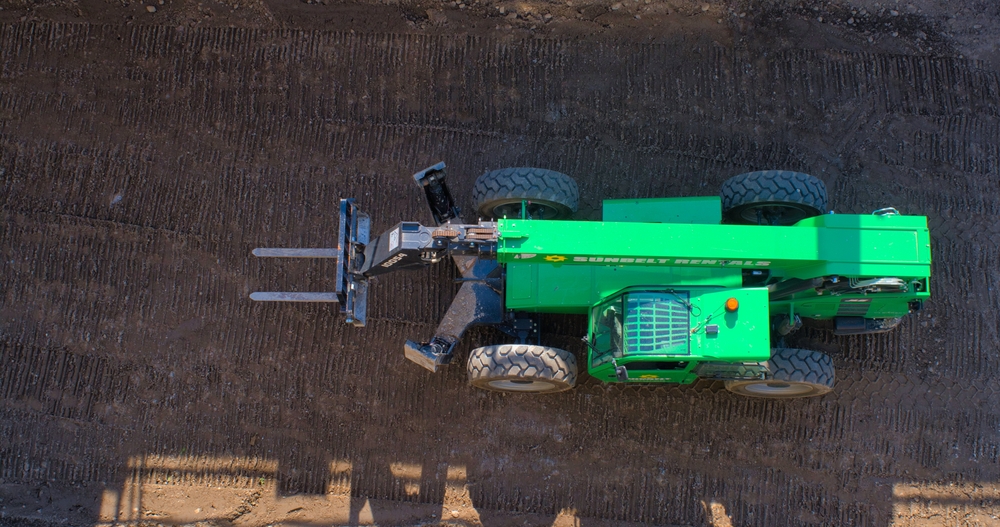
Telehandlers, or telescopic handlers, provide the versatility of a forklift and the reach of a crane. They are equipped with a telescopic boom that can extend outwards and upwards, allowing for lifting and placement of loads at significant heights and distances. Telehandlers are particularly useful in construction and agriculture, where materials need to be lifted to high or distant locations.
When considering telehandlers for rent, it is essential to evaluate the specific lifting needs of your project, including the maximum load weight and the necessary reach to ensure that the equipment meets your operational requirements.
Assessing Your Forklift Needs
Determining Load Capacity Requirements
One of the first steps in renting a forklift is to assess the load capacity you need. Each forklift model has a designated load capacity, which should not be exceeded during operation. It is crucial to calculate the weight of the items you plan to move and ensure that the selected forklift can handle that weight safely.
In addition to the total weight, consider the load dimensions and how they will be positioned on the forks. This ensures stability and safety during lifting and transport. Miscalculating load requirements can lead to accidents and equipment damage, so it’s essential to take precise measurements and consult rental providers for guidance.
Understanding Lift Height Requirements
Another critical factor in selecting a forklift is the lift height required for your operation. Different forklifts offer varying maximum lift heights, and selecting one that meets your needs is essential for efficient loading and unloading processes. High lift heights are often necessary in warehouses with multiple storage tiers or in construction sites with elevated structures.
When determining lift height, consider not only the height of your storage racks or construction needs but also the maneuverability of the forklift within the workspace. Ensuring that the forklift can safely operate at the required height without risking stability is paramount to maintaining a safe working environment.
Evaluating Operating Environment
The environment in which the forklift will operate significantly impacts your choice of equipment. Indoor environments may require electric forklifts, whereas outdoor settings might necessitate internal combustion or rough terrain models. Factors such as surface conditions, space constraints, and weather conditions should all be taken into account.
Additionally, consider any potential hazards present in your work environment, such as narrow aisles, uneven ground, or overhead obstructions. A thorough evaluation of these factors will help you determine the most suitable forklift type for your rental needs.
Forklift Rental Terms and Conditions
Understanding Rental Agreements
When renting a forklift, it is crucial to carefully review the rental agreement. This document outlines the terms of the rental, including the duration, costs, and responsibilities of both parties. Pay attention to clauses related to damages, repairs, and liability, as these can significantly impact your financial responsibilities in case of an accident or equipment failure.
Ensure that the agreement clarifies whether the rental includes delivery and pickup services and the procedures for reporting issues with the equipment during the rental period. Being fully informed about the terms will help you avoid surprises and ensure a smoother rental experience.
Insurance Considerations
Insurance coverage is a vital aspect of any forklift rental agreement. It is advisable to check whether your existing business insurance covers rented equipment or if additional coverage is necessary. Rental companies may offer insurance options, but it’s essential to understand what these policies cover in terms of liability, damage, and loss.
Having adequate insurance ensures that you are protected from financial liabilities in case of accidents or equipment damage, providing peace of mind as you operate the forklift. Consult with your insurance provider to determine the best course of action for your rental needs.
Maintenance Responsibilities
Maintenance obligations are often outlined in the rental agreement and can vary significantly between rental companies. Generally, the rental company is responsible for ensuring the forklift is in good working condition; however, you may have certain responsibilities, such as routine checks and reporting issues promptly.
Understanding who is responsible for maintenance and what actions are required on your part can prevent misunderstandings and ensure that the equipment remains safe and functional throughout the rental period. Be sure to inquire about the maintenance policy when negotiating your agreement.
Choosing the Right Forklift Rental Company
Reputation and Experience
Choosing a reputable forklift rental company is crucial for a successful rental experience. Research companies in your area and look for reviews and testimonials from past customers. A company with a solid reputation is likely to provide well-maintained equipment and reliable service.
Consider the company’s experience in the industry and whether they specialize in the type of forklift you need. An experienced provider will have the knowledge to guide you in selecting the right equipment and ensuring that you understand the rental process.
Quality of Equipment
The quality of the forklifts offered by the rental company should also be a top consideration. Look for companies that regularly maintain and service their equipment to ensure reliability and safety. A well-maintained forklift will not only perform better but also reduce the likelihood of breakdowns during operation.
Before finalizing your rental, consider asking for a demonstration of the forklift or inspecting it thoroughly for signs of wear and tear. This proactive approach can help you avoid issues that might arise from using poorly maintained equipment.
Customer Service and Support
Excellent customer service is essential when renting a forklift. The rental company should be responsive to your inquiries and provide assistance throughout the rental process. This includes coordinating delivery and pickup, providing operational support, and addressing any concerns that may arise during your rental period.
A company that prioritizes customer service will make the rental experience smoother and more enjoyable, allowing you to focus on your operations rather than worrying about equipment issues.
Cost Considerations
Rental Rates and Additional Fees
The cost of renting a forklift can vary widely based on several factors, including the type of forklift, rental duration, and the age of the equipment. It is essential to obtain quotes from multiple rental companies to compare rates and identify the best deal for your needs.
When comparing costs, be sure to inquire about any additional fees that may apply, such as delivery charges, fuel surcharges, or late return penalties. Understanding the full scope of costs will enable you to budget effectively and avoid surprises at the end of your rental term.
Comparing Rental Costs with Budget Constraints
As with any rental decision, it’s vital to weigh the costs against your budget constraints. Consider how frequently you will need to use the forklift and whether renting is a more cost-effective option than purchasing. If your project duration is short, renting may be significantly cheaper than acquiring a forklift outright.
Creating a clear budget that outlines your expected rental costs can help you make informed decisions and choose the right forklift options without compromising your financial stability.
Safety Considerations When Renting a Forklift
Operator Training Requirements
Safety is paramount when operating forklifts, and proper training is essential for all operators. Many rental companies require that operators have completed forklift training programs and possess relevant certifications. These programs cover essential safety protocols, operational procedures, and how to handle emergencies.
Even if your operator is already certified, it’s a good practice to review the specific operational guidelines for the rented forklift model. Each type of forklift may have unique controls and features that operators need to familiarize themselves with to ensure safe operation.
Safety Features to Look For
When renting a forklift, pay attention to the safety features that each model offers. Look for forklifts equipped with safety measures such as seatbelts, backup alarms, and load indicators. These features can significantly reduce the risk of accidents and ensure compliance with workplace safety regulations.
Additionally, consider the visibility from the operator’s seat, as good visibility can help prevent accidents while moving loads. Ensuring that safety features are in place is not only a legal requirement but also a responsible practice that protects your employees and equipment.
Preparing for Forklift Delivery and Operation
Site Preparation and Accessibility
Before the forklift is delivered, ensure that the worksite is adequately prepared. This involves assessing the accessibility of the location where the forklift will be operated. Clear any obstacles and ensure that there is enough space for the forklift to maneuver safely.
Consider the pathways the forklift will travel and ensure they are suitable for the equipment you are renting. Proper planning can help prevent accidents and ensure that operations run smoothly from the moment the forklift arrives.
Receiving and Inspecting the Forklift
Upon delivery, thoroughly inspect the forklift for any visible damage and ensure it is in good working condition. Check fluid levels, brakes, lights, and other operational components. If you notice any issues, report them to the rental company immediately to avoid potential liability for damage that existed before your rental period.
Understanding how to operate the forklift safely and effectively begins with knowing its condition. A pre-operation inspection is not only a best practice but a critical step in ensuring safe and efficient use of the equipment during your rental period.
Conclusion
Renting a forklift can be a practical solution for businesses needing temporary equipment without the commitment of purchase. By understanding your specific requirements, selecting the right type of forklift, and choosing a reputable rental company, you can ensure a successful rental experience. Safety should always be a top priority, requiring proper training and equipment checks to maintain a safe working environment.
In summary, from understanding the various types of forklifts to ensuring safety during operation, this guide provides a comprehensive look at what to consider when renting a forklift. By being informed and prepared, you can maximize the benefits of renting and enhance your operational efficiency. When you’re ready to partner with a equipment supplier to rent your next forklift contact us at Superior Industrial Products for more information!
Share This!
Subscribe to Our Newsletter
"*" indicates required fields