Introduction
The operation of forklifts is critical in many industrial settings, including warehouses, manufacturing facilities, and construction sites. An unexpected breakdown of a forklift can lead to significant downtime, affecting productivity and operational efficiency. This article will delve into the intricacies of emergency forklift repair, exploring common issues, preventative strategies, and the importance of choosing the right repair service. Through detailed exploration, we aim to equip businesses with the knowledge needed to minimize downtime and ensure smooth operations.
The Importance of Forklift Maintenance
Regular maintenance of forklifts is not merely a suggestion but a necessity for optimal performance. Forklifts are complex machines that require consistent care to function correctly. Scheduled maintenance helps identify potential issues before they escalate into serious problems, thus preventing costly breakdowns. Furthermore, adhering to a maintenance schedule can extend the lifespan of the equipment, ensuring a better return on investment.
In addition to enhancing performance, regular maintenance is crucial for safety. Faulty forklifts pose risks not only to the equipment but also to the operators and other personnel in the vicinity. Proper upkeep ensures compliance with safety regulations, reducing the likelihood of accidents and associated liabilities.
The Impact of Downtime on Operations
Downtime can be detrimental to any business, particularly those reliant on material handling. The financial implications of equipment failure are significant; lost productivity, delayed deliveries, and the cost of repairs can accumulate quickly. According to industry statistics, unplanned downtime can cost businesses upwards of $50,000 per hour, depending on the scale of operations and the type of industry involved.
Beyond the immediate financial impact, downtime can also affect employee morale and customer satisfaction. Prolonged delays can lead to frustration among staff and clients alike, potentially harming long-term relationships and damaging the company’s reputation. Thus, understanding and minimizing downtime is paramount for any organization relying on forklifts.
Understanding Common Forklift Issues
Mechanical Failures
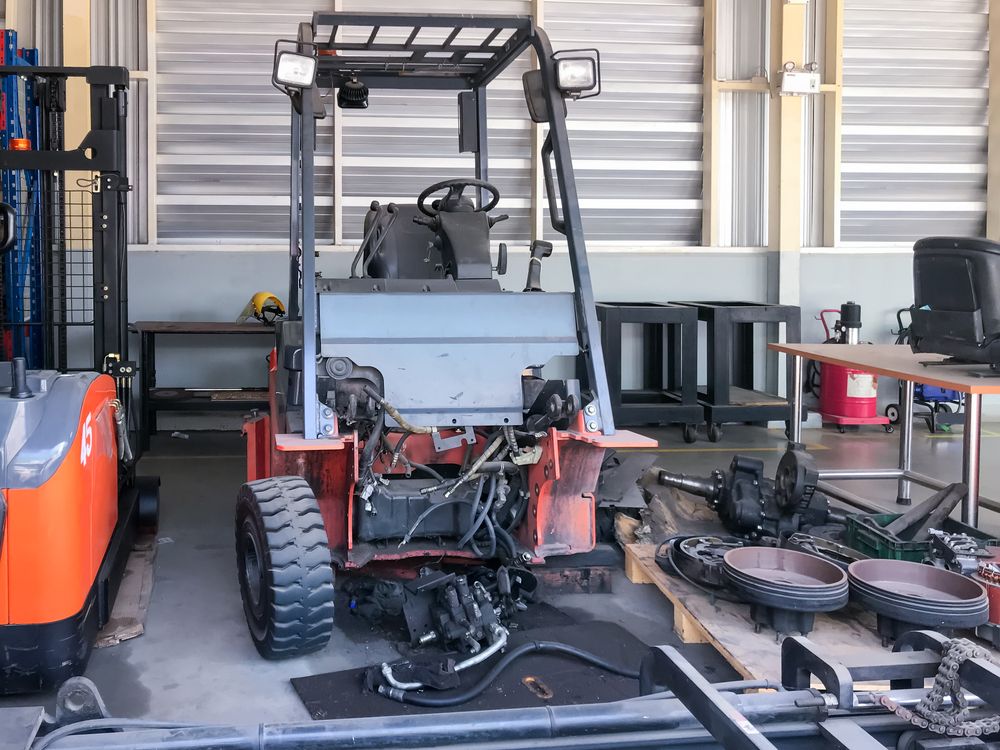
Mechanical failures are among the most common problems encountered with forklifts. Issues such as engine malfunctions, transmission failures, or wheel and axle problems can arise due to wear and tear over time. Regular inspections can often catch these issues early, but when they do occur, they can lead to significant operational halts.
Addressing mechanical failures promptly is essential. Often, these problems can be resolved by trained technicians who can diagnose the issue and implement repairs efficiently. Failing to address mechanical issues quickly can lead to more severe damage, which might necessitate expensive replacements.
Electrical System Problems
Forklifts are equipped with intricate electrical systems responsible for powering various components, including lights, traction motors, and battery systems. Electrical issues can manifest in various ways, such as failure to start, irregular battery charging, or malfunctioning safety features. Diagnosing electrical problems can be complex and often requires specialized tools.
For businesses, understanding the signs of electrical system failure is crucial. Quick identification can lead to faster solutions, minimizing downtime and maintaining productivity. Investing in proper training for operators to recognize these issues can be beneficial in the long run.
Hydraulic Issues
Hydraulic systems play a crucial role in the lifting and lowering mechanisms of forklifts. Common hydraulic issues include leaks, low fluid levels, and pump failures. These problems can severely limit the functionality of a forklift, rendering it incapable of performing essential tasks.
To mitigate hydraulic issues, regular checks of fluid levels and timely servicing of hydraulic components are necessary. Training employees to identify the early signs of hydraulic problems can also prevent significant breakdowns.
Preventative Maintenance Strategies
Regular Inspections and Servicing
Implementing a robust preventative maintenance program is essential for ensuring the longevity and reliability of forklifts. Regular inspections should be scheduled at predetermined intervals, focusing on both mechanical and electrical systems. This proactive approach allows for the identification of potential issues before they escalate, helping to maintain optimal performance levels.
In addition to inspections, routine servicing is critical. This includes oil changes, filter replacements, and checking fluid levels in hydraulic systems. A well-maintained forklift is less likely to experience unexpected breakdowns, which can save time and resources in the long run.
Employee Training and Safety Practices
Ensuring that operators are adequately trained in forklift operation and safety is vital for reducing the risk of accidents and equipment failures. Training programs should cover the proper use of equipment, routine checks that operators can perform, and how to recognize early signs of mechanical or electrical issues.
Moreover, fostering a culture of safety within the workplace can enhance operational efficiency. Employees who understand the importance of maintenance and safety practices are more likely to report issues promptly, preventing potential downtime.
Keeping Spare Parts Available
Maintaining a stock of essential spare parts is a strategic move that can significantly reduce downtime during emergencies. Commonly needed parts, such as filters, hydraulic fluids, and electrical components, should be readily available to facilitate quick repairs. This practice not only expedites the repair process but also helps avoid extended breakdowns that can disrupt operations.
Establishing a relationship with a reliable parts supplier can further enhance this strategy. Having quick access to quality parts ensures that repairs are executed promptly and reduces the risk of miscommunication or delays in sourcing necessary components.
Emergency Repair Protocols
Identifying the Issue Quickly
In the event of a forklift breakdown, the first step is to quickly identify the issue. Understanding the signs of malfunction can help operators relay accurate information to repair technicians, enabling faster diagnosis and treatment. Training employees in troubleshooting techniques can aid this process, allowing them to provide valuable insights during emergencies.
Rapid identification of issues not only aids in quicker repairs but also minimizes downtime. A clear understanding of operational protocols can streamline communication between operators and maintenance personnel, leading to more efficient problem resolution.
Communication with Repair Services
Effective communication with repair services is crucial for minimizing downtime. When an issue arises, providing detailed information about the problem can significantly speed up the repair process. Establishing a reliable contact with a chosen repair service ensures that assistance can be obtained swiftly when needed.
Setting up a service agreement with clear response times and expectations can further enhance this communication. Knowing that a trusted service provider is just a call away can provide peace of mind and alleviate concerns over potential downtime during emergencies.
Documentation of the Problem
Thorough documentation of any issues encountered is essential for future reference and continuous improvement. Maintaining logs of repairs, maintenance performed, and any recurring issues can provide valuable insights into the forklift’s operational health. This documentation can also facilitate communication with repair services by providing them with a comprehensive history of past problems.
Furthermore, analyzing these records can help identify patterns that may point to underlying issues requiring attention. By continuously refining repair protocols based on documented experiences, businesses can enhance their overall maintenance strategies.
Choosing the Right Forklift Repair Service
Evaluating Experience and Expertise
Selecting a repair service with extensive experience in forklift maintenance is critical. Evaluating the technician’s qualifications, certifications, and past work can provide insights into their capability to handle various issues that may arise. Experienced technicians are more likely to diagnose problems accurately and implement effective solutions.
Additionally, look for repair services that specialize in the specific types of forklifts used in your operation. This specialization can further enhance the quality of service and ensure that technicians possess the necessary knowledge to address unique equipment challenges.
Response Time and Availability
In an emergency situation, response time is paramount. When selecting a repair service, consider their availability and track record for prompt service. Services that offer 24/7 support can be particularly beneficial, ensuring that assistance is available whenever it’s needed, regardless of the time of day.
Moreover, inquire about the service provider’s average response times. A company known for quick responses can significantly reduce the amount of downtime experienced during emergencies, making it a worthwhile investment for any business.
Service Offerings and Capabilities
The breadth of services offered by a repair provider can influence the efficiency of repairs. Selecting a service that provides comprehensive offerings, including diagnostics, parts replacement, and routine maintenance, ensures that all aspects of forklift repair are covered under one roof. This can lead to faster service, as the need for multiple vendors is eliminated.
Additionally, inquire about the capabilities of the repair service in terms of the types of forklifts serviced. A provider that is adept at handling a variety of brands and models can offer versatility, ensuring that support remains uninterrupted even as equipment needs change.
Leveraging Technology for Efficient Repairs
Diagnostic Tools
Modern technology plays a crucial role in the efficient repair of forklifts. Utilizing advanced diagnostic tools can aid technicians in quickly identifying issues and understanding their root causes. These tools can provide real-time data on performance metrics, allowing for more informed decisions during repairs.
Investing in diagnostic technology not only enhances the speed of repairs but also improves the accuracy of diagnoses. This can lead to fewer repeat issues and a more streamlined maintenance process overall.
Real-Time Tracking of Repair Status
Implementing systems for real-time tracking of repair status can keep operators informed and engaged during the repair process. Such systems allow businesses to monitor the progress of repairs and anticipate when equipment will be back in service. This transparency can improve operational planning and reduce frustration associated with unexpected delays.
Moreover, real-time tracking can facilitate better communication between operators and repair services, ensuring that all parties are aligned regarding expectations and timelines. This proactive approach can lead to improved efficiency and responsiveness during emergencies.
Online Support and Resources
In addition to on-site repairs, many repair services now offer online support and resources. Accessing these resources can provide operators with valuable troubleshooting information and guides to help diagnose issues before they escalate. Online support can serve as a preliminary step in the repair process, potentially leading to faster resolutions.
Furthermore, maintaining an online database of common forklift issues and solutions can empower employees to take a more active role in the maintenance process. This knowledge-sharing approach can enhance operational efficiency and reinforce a culture of continuous improvement.
Cost Considerations in Forklift Repair
Understanding Repair vs. Replacement
When faced with significant repair needs, businesses must weigh the cost implications of repair versus replacement. While repairs may seem cost-effective in the short term, persistent issues may signal that replacing the forklift is a more economical choice in the long run. Evaluating the age of the equipment, repair frequency, and operational efficiency can help in making this decision.
A comprehensive cost analysis should encompass not only immediate repair expenses but also potential long-term savings associated with more reliable equipment. In many cases, investing in newer models may yield better performance and lower maintenance costs, justifying the upfront investment.
Budgeting for Emergency Repairs
Establishing a budget for emergency repairs is essential for maintaining operational flexibility. Allocating funds specifically for unforeseen repairs ensures that businesses can respond promptly to emergencies without straining operational finances. This approach requires a clear understanding of potential costs associated with various types of repairs, as well as regular reviews to ensure the budget is adequate.
Additionally, making provisions for emergency repairs within the overall maintenance budget can enhance a business’s ability to manage unexpected issues. This proactive financial planning can mitigate the negative impacts of downtime and ensure that operations remain stable, even in the face of equipment failures.
The Long-Term Cost Benefits of Regular Maintenance
Investing in regular maintenance not only reduces the likelihood of emergencies but also leads to long-term cost savings. Well-maintained forklifts operate more efficiently, consume less fuel, and are less likely to encounter serious issues that require expensive repairs. Over time, these savings can accumulate significantly.
Moreover, a commitment to maintenance enhances the resale value of forklifts. When equipment is kept in good condition, it is more appealing to potential buyers, allowing businesses to recoup a greater portion of their initial investment. This financial benefit underscores the importance of prioritizing regular maintenance as a strategic business practice.
Conclusion
In conclusion, managing forklift maintenance and repair effectively is vital for minimizing downtime and ensuring operational efficiency. Regular inspections, preventative maintenance strategies, and quick response protocols can significantly reduce the likelihood of unexpected breakdowns. Furthermore, choosing the right repair service from companies like Superior Industrial Products, leveraging technology, and understanding cost implications can enhance overall operational resilience.
By prioritizing maintenance and employing strategic initiatives, businesses can navigate the complexities of forklift operation with confidence, ensuring that equipment remains reliable and productivity remains high. Emphasizing the importance of training and documentation can also empower employees to play an active role in maintaining safety and operational standards.
Share This!
Subscribe to Our Newsletter
"*" indicates required fields