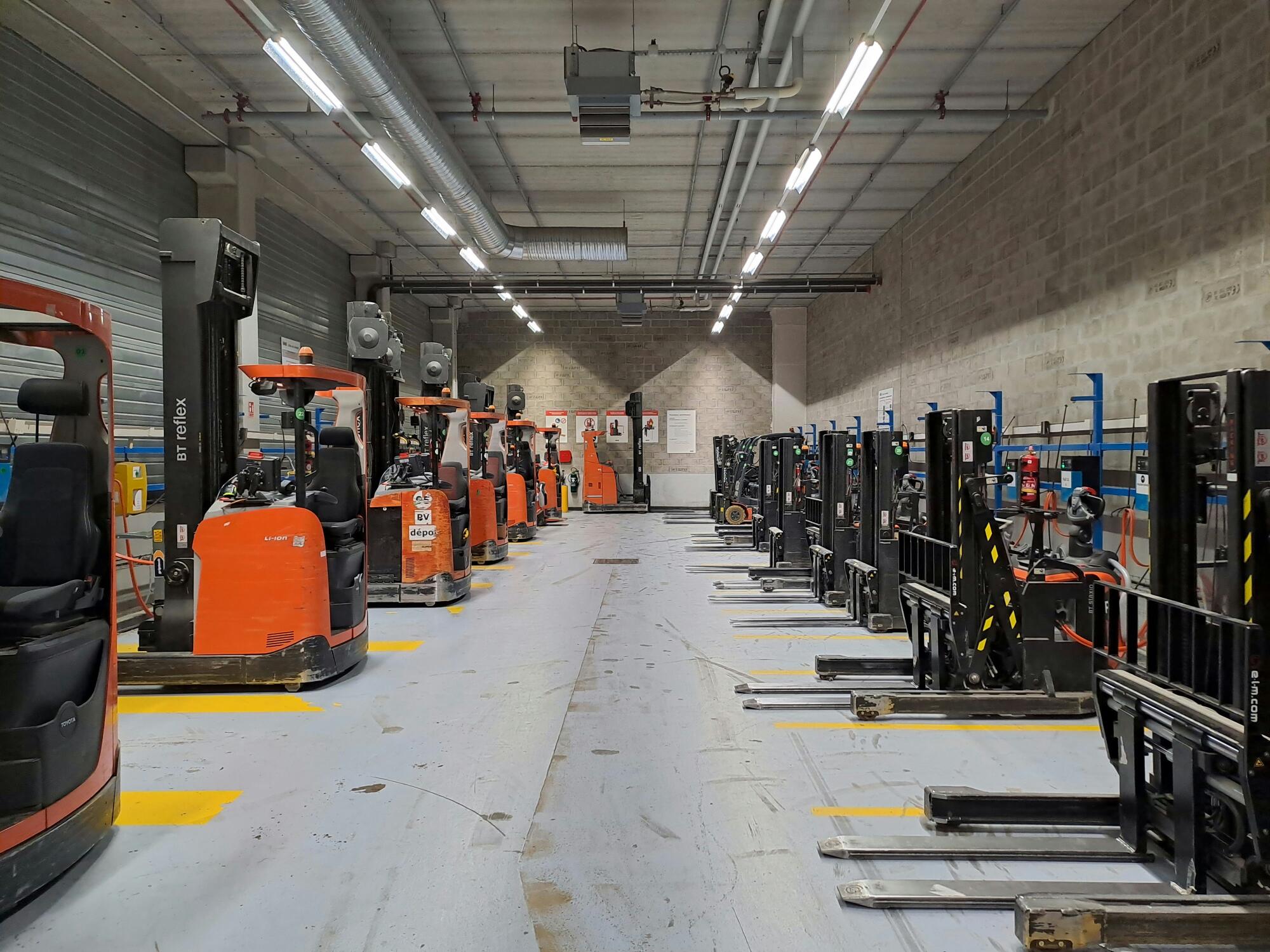
Having the right number of forklifts can make your operation more efficient and safer. Most businesses need several units, and renting instead of buying often saves money.
As a result, the forklift for rent industry has grown to meet this high demand. Grand View Research reports that the global forklift rental market reached $6.10 billion in 2024. Your business might also consider renting forklifts to reduce upfront capital costs.
However, determining how many forklifts to rent can be challenging. How can you avoid overspending yet still meet operational needs?
Renting too many forklifts raises costs and storage issues, while renting too few slows work and reduces productivity. Keep reading to learn practical tips on forklift rental and finding your ideal fleet size.
How Much Does a Forklift Truck Cost?
Forklift truck prices typically range from $25,000 to $120,000. The cost can vary due to:
- Load capacity
- Lift height
- Fuel type
- Brand reputation
- Attachments included
- Warranty options
These costs can add up if you need several forklifts. Your business may struggle to raise this kind of capital. Buying also comes with extra expenses such as depreciation, insurance, and repairs.
Luckily, you don’t have to buy. Renting forklifts offers flexibility and lower upfront costs.
Consult Superior Industrial Products for more information on forklift equipment rental solutions. Our team can explain how different forklifts work and recommend the best type and number for your operations.
What Are the Advantages of Using a Forklift?
For some industries or operations, using forklifts is not mandatory. Smaller warehouses or low-volume sites can manage with manual handling.
Thus, you might wonder why you should invest in forklifts if they are not required. Using forklifts can help:
- Reduce worker fatigue
- Move heavy loads faster
- Improve workplace safety
- Increase storage efficiency
- Support diverse load types
- Simplify material handling
Forklifts help speed up operations and reduce physical strain on employees. They also improve workflow consistency and reduce errors during material movement. Using forklifts can be a strong investment even if not strictly required.
How to Decide How Many Forklifts You Need
Having an optimal number of forklifts improves efficiency and safety. So, how do you decide this number?
Workload Volume
Higher material volumes require more forklifts to prevent bottlenecks and keep operations moving efficiently. Start by analyzing peak load times and identifying periods of heavy activity. Matching the number of forklifts to your workload ensures tasks are completed on time and reduces idle equipment.
Proper planning helps avoid delays and keeps employees productive. Adjusting your forklift fleet size to match volume demands allows your business to maintain a smooth workflow and improve overall efficiency.
Type of Loads
Heavy or oversized loads often require specialized forklifts to handle them safely. Choosing the right machine for each load type helps:
- Optimize forklift usage
- Reduce risk of accidents
- Prevent product damage
- Improve handling speed
- Ensure operator safety
- Support diverse load sizes
You might need to find a top forklift rental company to access the specialized equipment your operation requires. Using the correct forklift for each task keeps work efficient and safe while protecting your materials and staff.
Shift Lengths
Longer shifts often require additional forklifts to support multiple teams working at the same time. Having enough units ensures:
- Employees do not wait for equipment
- Reduces downtime and delays
- Keeps work moving smoothly
- Balances workload
- Supports faster task completion
Planning forklift numbers for each shift helps your operation remain productive all day. Adjusting your forklift fleet size to match shift length prevents bottlenecks and keeps teams working efficiently.
Work Area Layout
Tight or complex workspaces may need smaller, maneuverable forklifts to operate safely. Narrow aisles and crowded storage areas can limit movement and slow tasks. Planning your space helps determine how many forklifts your business should rent.
Measure aisles, storage zones, and traffic flow before deciding the number of units. A proper layout evaluation ensures that each forklift can move freely and complete tasks. Adjusting fleet size based on space helps prevent congestion and keeps operations smooth.
Frequently Asked Questions (FAQs)
What Types of Forklifts Are Available for Rent?
Forklift rental companies offer electric, diesel, and gas forklifts. They also provide narrow-aisle, high-lift, and rough-terrain models. Some rentals include specialized units for heavy or oversized loads.
Choosing the right type depends on your load, work area, and surface conditions. A top forklift dealer can help you select the best machine for your business needs and project requirements.
What Is the Typical Rental Period for a Forklift?
Rental periods vary from one day to several months. Short-term rentals suit urgent or seasonal needs. Long-term rentals help businesses handle ongoing projects without buying equipment.
Many rental companies offer flexible agreements that allow you to extend or reduce the rental period. Selecting the right duration ensures you pay only for what you use and avoid unnecessary expenses.
Are Forklift Operators Included With the Rental?
Although some forklift rentals include trained operators, many do not. Your business may need to provide certified staff. Rental companies can often recommend operators if needed. Having skilled operators improves safety and productivity.
Confirm operator availability before signing the rental agreement. Knowing this detail helps plan workflow and ensures forklifts are used efficiently and safely.
What Maintenance and Safety Checks Are Required During the Rental?
Rented forklifts require regular maintenance and safety checks. Before use, inspect:
- Brakes
- Tires
- Forks
- Lights
- Horn
- Seatbelt
Additionally, check the fluid levels and battery charge. Ensure all safety devices work well, and if faulty, avoid using the forklift until fixed. Follow the rental company’s maintenance rules.
Regular checks prevent accidents, minimize downtime, and protect your business from liability. Training operators to spot issues also keeps forklifts running.
Forklift Rental: Choose the Right Solution for Your Business
Forklift rental provides an affordable and flexible way to access these machines. To decide how many forklifts to rent, consider seeking the help of a reputable forklift service to assess your workflow, peak demands, and operational needs.
At Superior Industrial Products, we have served businesses since 2002, bringing over two decades of expertise. We provide parts, maintenance, industrial equipment, and flexible rentals to meet your needs.
Our team can recommend the right forklifts for your operations. Get in touch today to find the solutions your business needs.
Share This!
Subscribe to Our Newsletter
"*" indicates required fields